Conference 2026
UK Proteostasis Meeting 2026: Showcasing Outstanding Science Across the UK Proteostasis Community
The UK Proteostasis Meeting brought together researchers from across the UK for two days of outstanding science, discussion, and networking focused on proteostasis and its roles in health, disease, and ageing.
The meeting featured an engaging programme of research presentations, with a strong emphasis on contributions from Early Career Researchers (ECRs). These talks were complemented by a series of PI flash talks highlighting the research interests and expertise of their groups, alongside rapid-fire poster flash talks that showcased poster highlights and sparked lively discussions throughout the poster sessions.
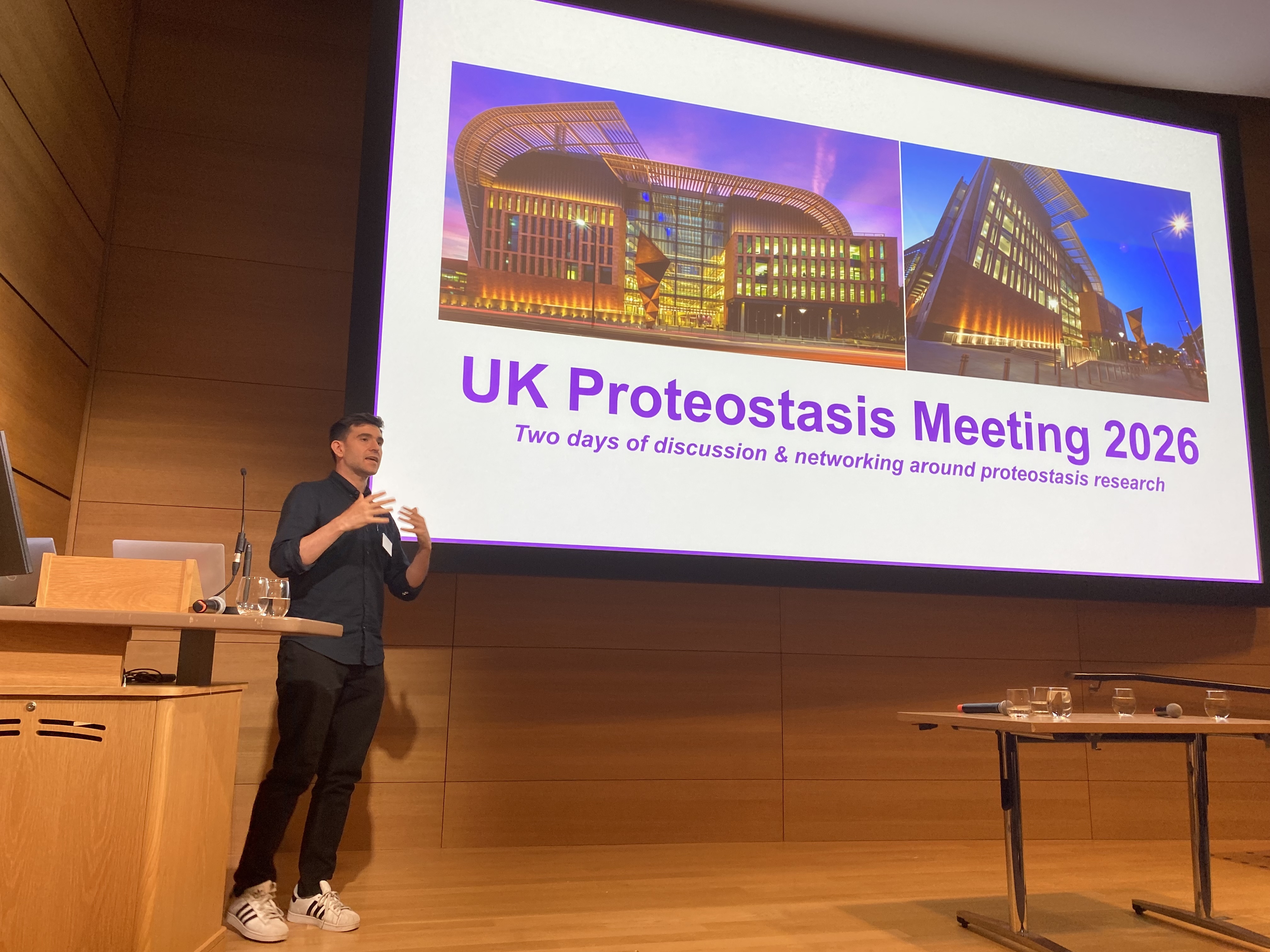
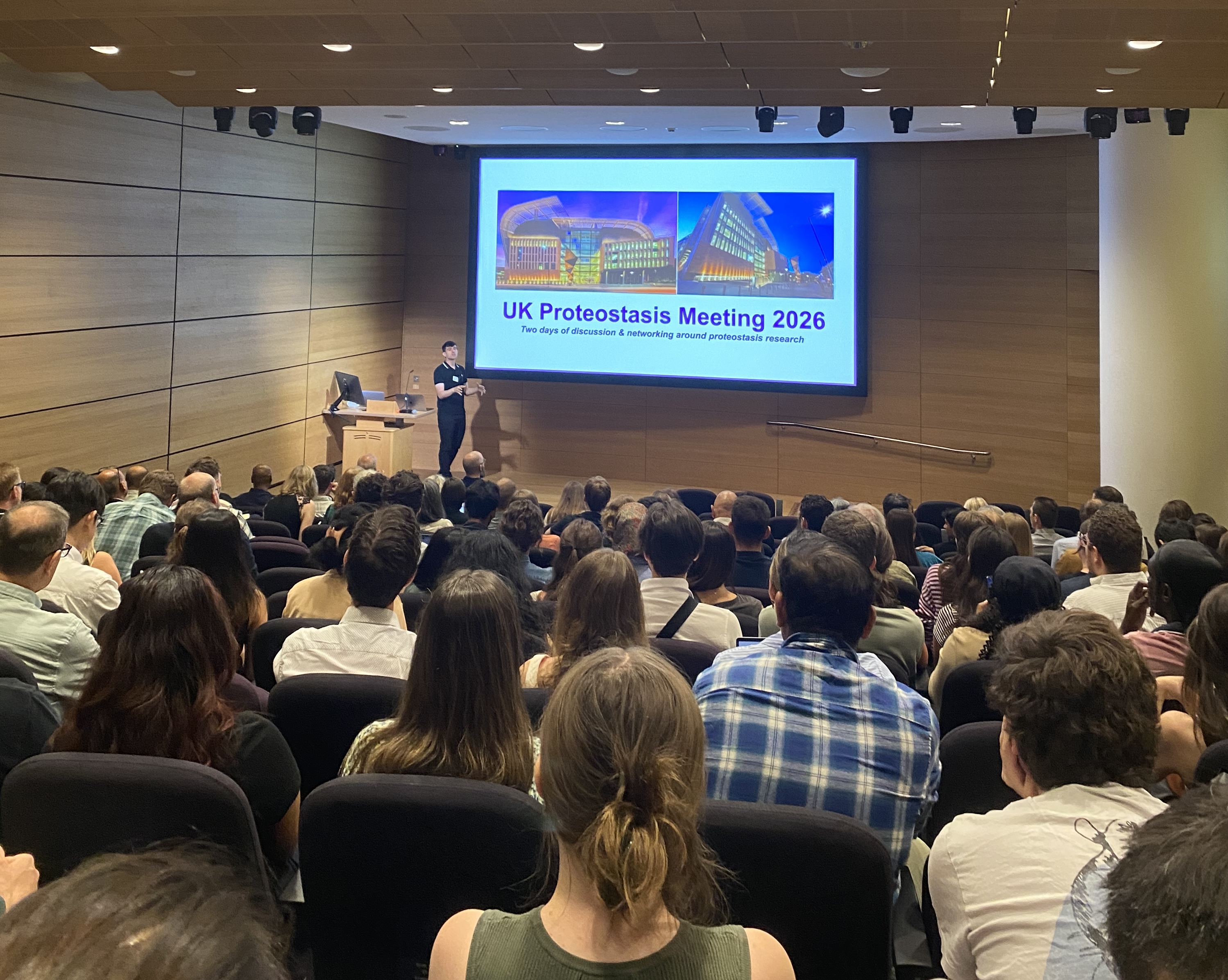
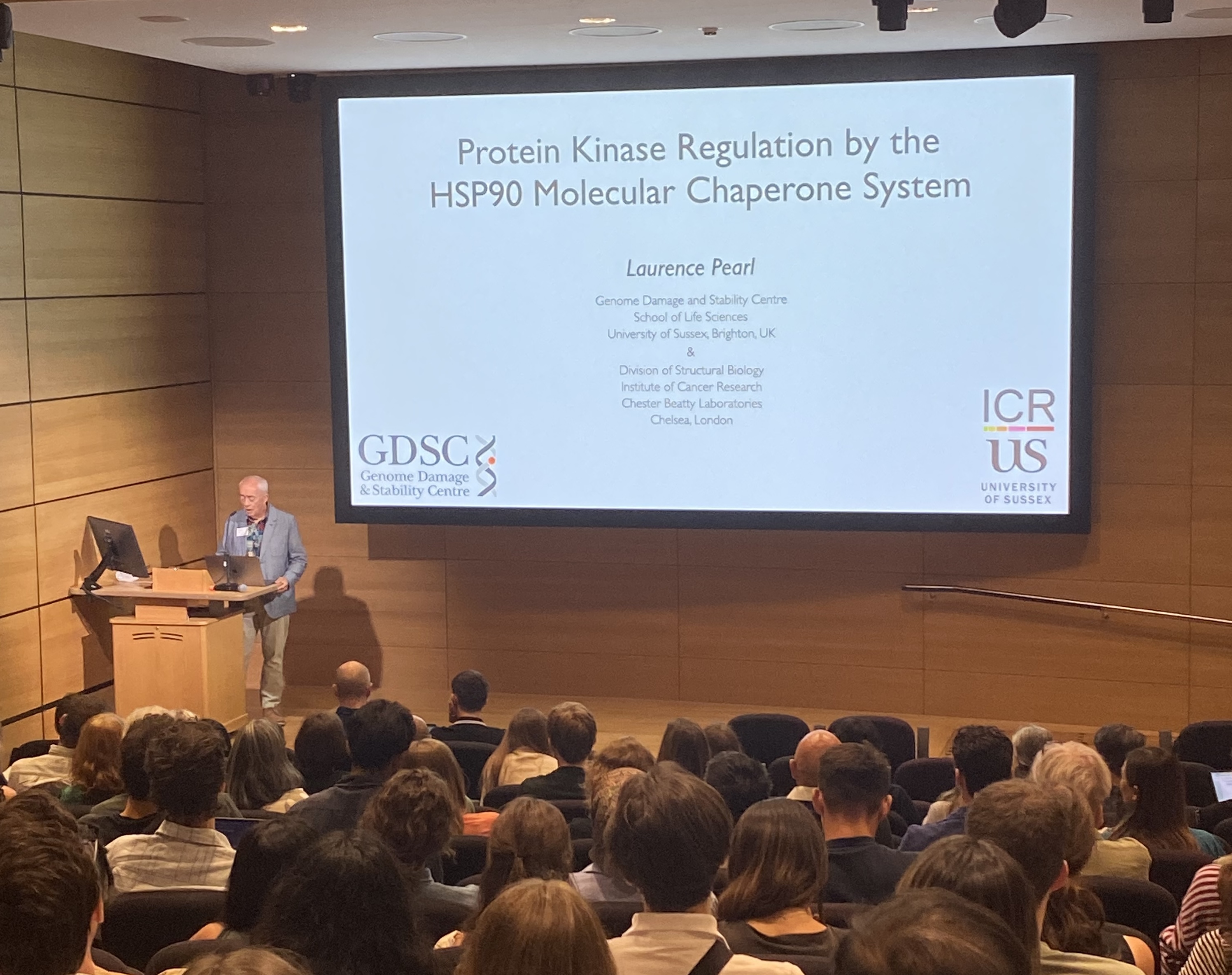
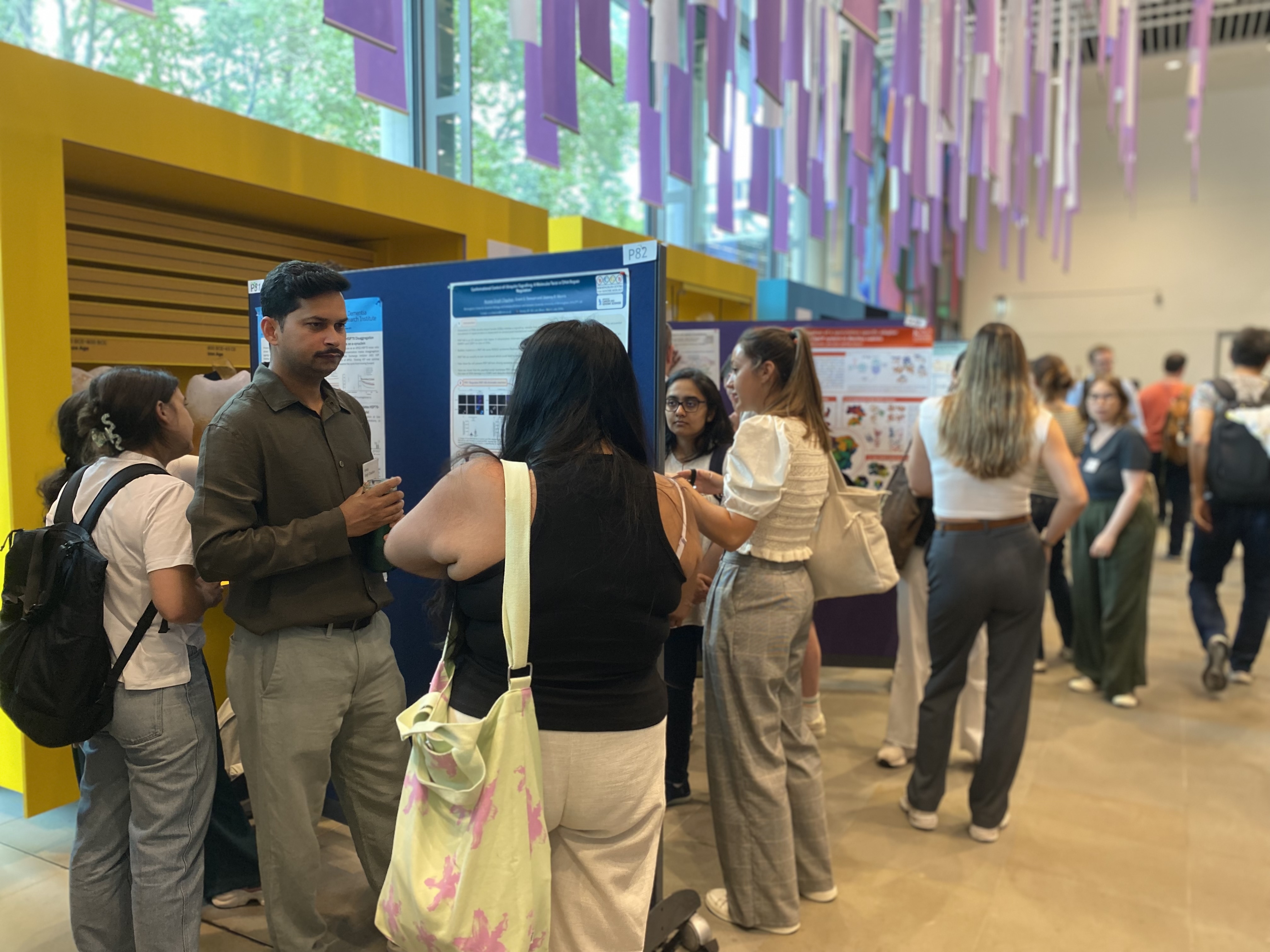
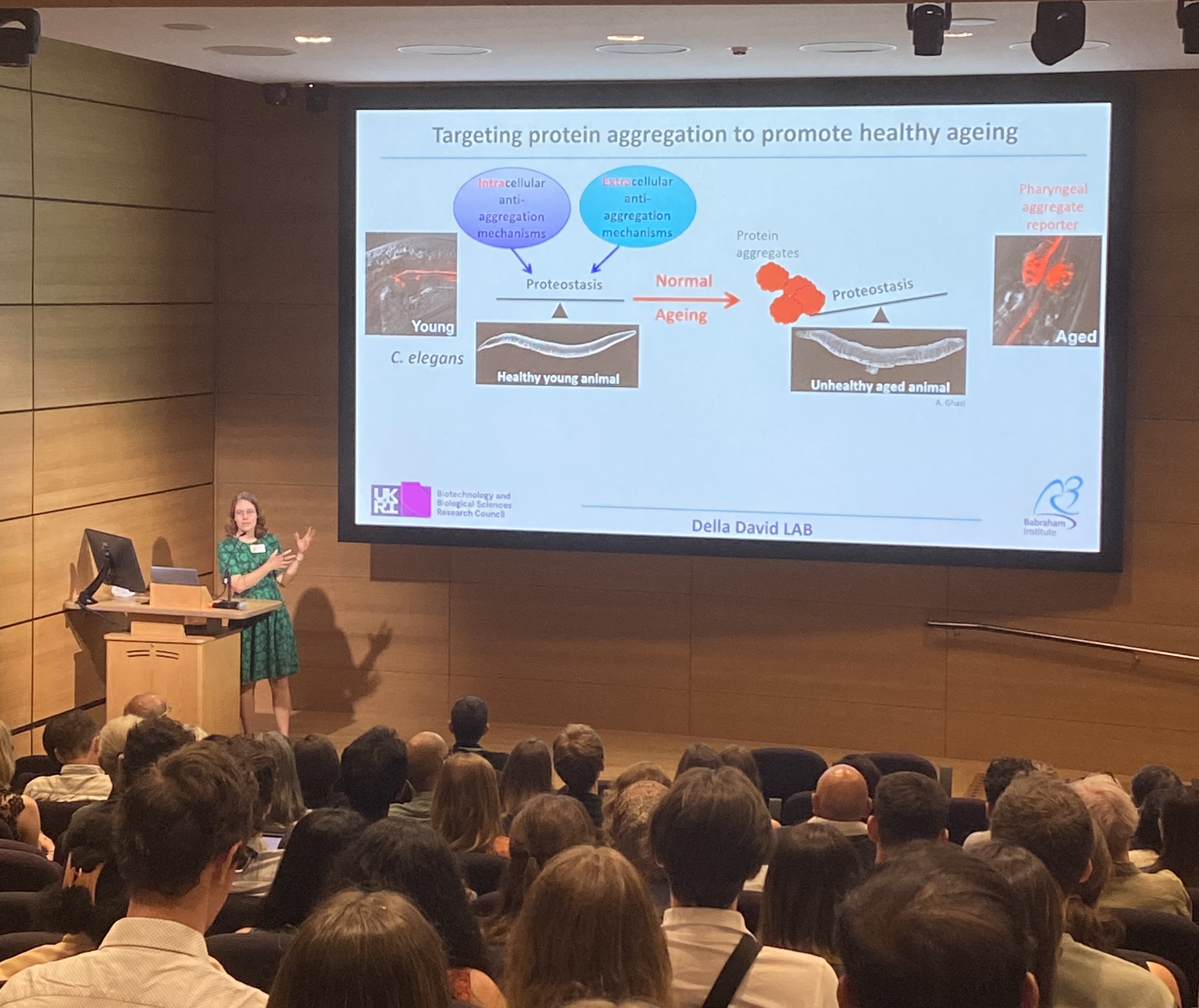
Research presented across the meeting spanned a broad range of topics, including molecular chaperones, protein aggregation, stress response pathways, ageing, autophagy, organelle quality control, ubiquitin signalling, and neurodegenerative disease, reflecting the depth and diversity of research across the community.
The conference began with a keynote address from Professor Laurence Pearl (Institute of Cancer Research and University of Sussex), who provided insights into the regulation of protein kinases by the HSP90 molecular chaperone machinery. Day two opened with an inspiring keynote lecture from Professor Sylvie Urbé (University of Liverpool), exploring the roles of ubiquitylation and mitochondrial import in driving mitophagy and maintaining mitochondrial quality control.
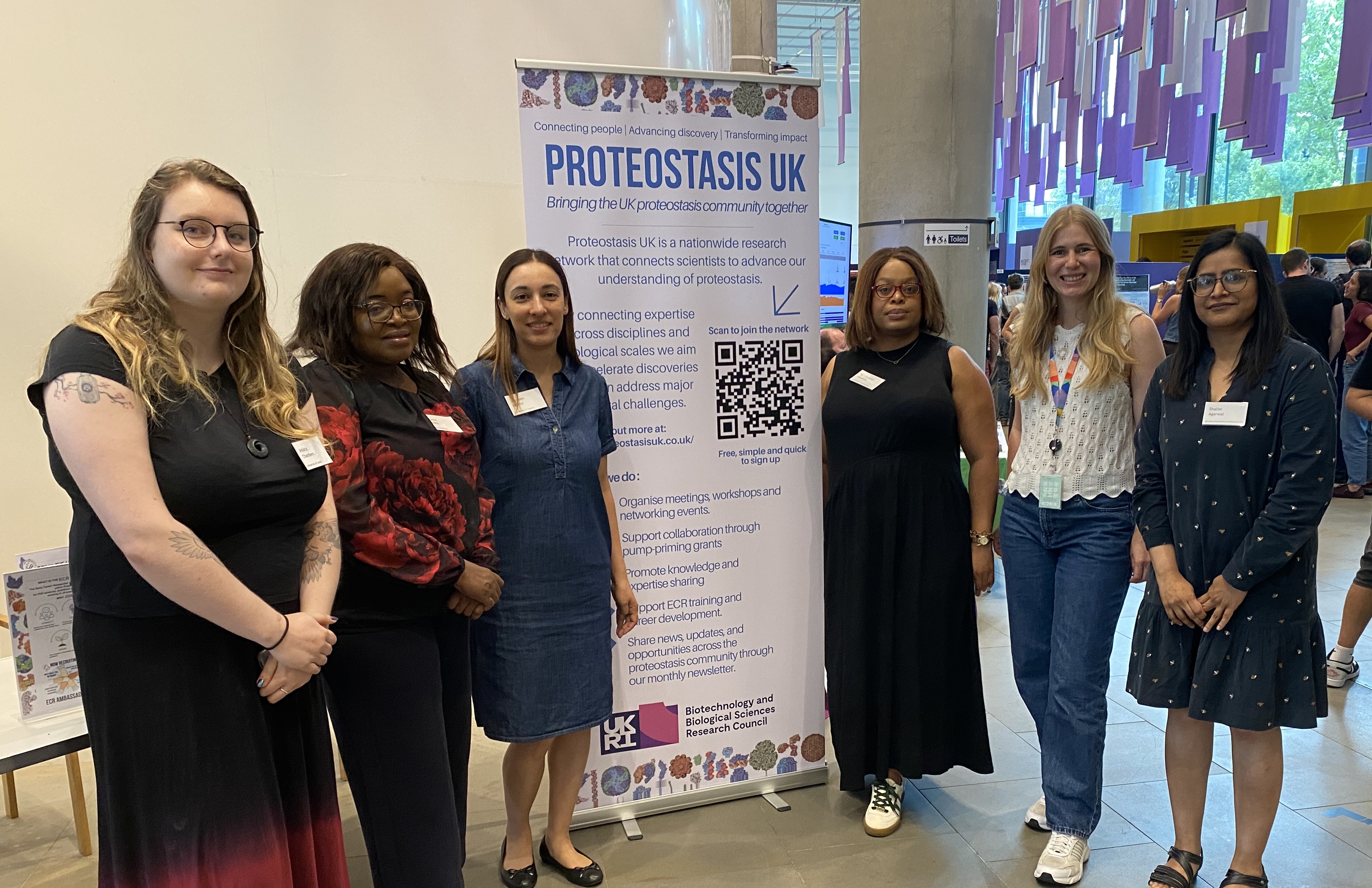
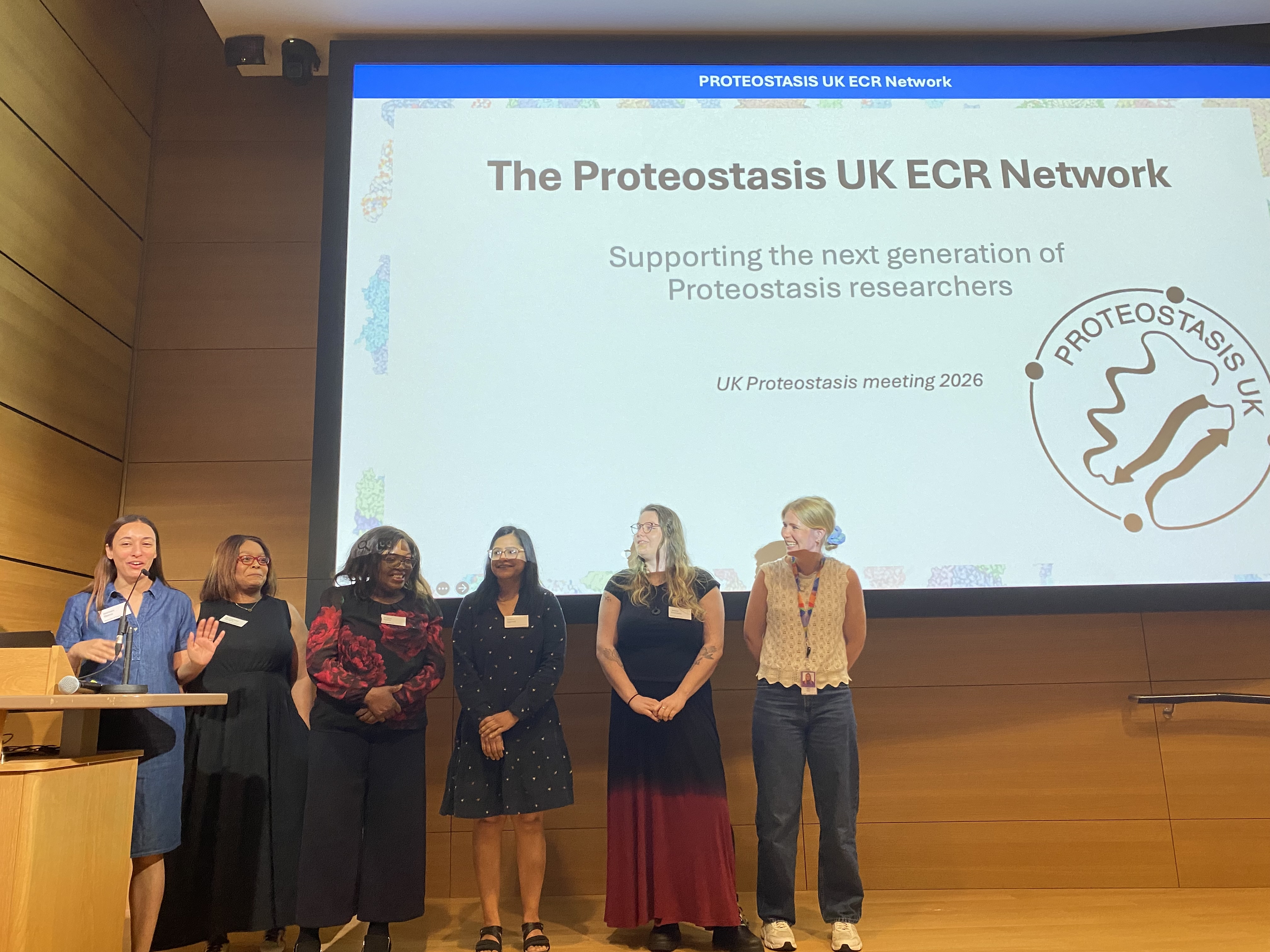
The Proteostasis UK Network session highlighted the Network's role in connecting researchers across disciplines, biological scales, and kingdoms. The programme also featured a session from the Proteostasis UK Early Career Researcher (ECR) Network, delivered by members of the ECR Advisory Panel. The session highlighted ongoing initiatives to support career development across the next generation of proteostasis researchers, including the ECR Online Seminar Series, mentoring schemes, ECR training workshops, and other community-focused initiatives.
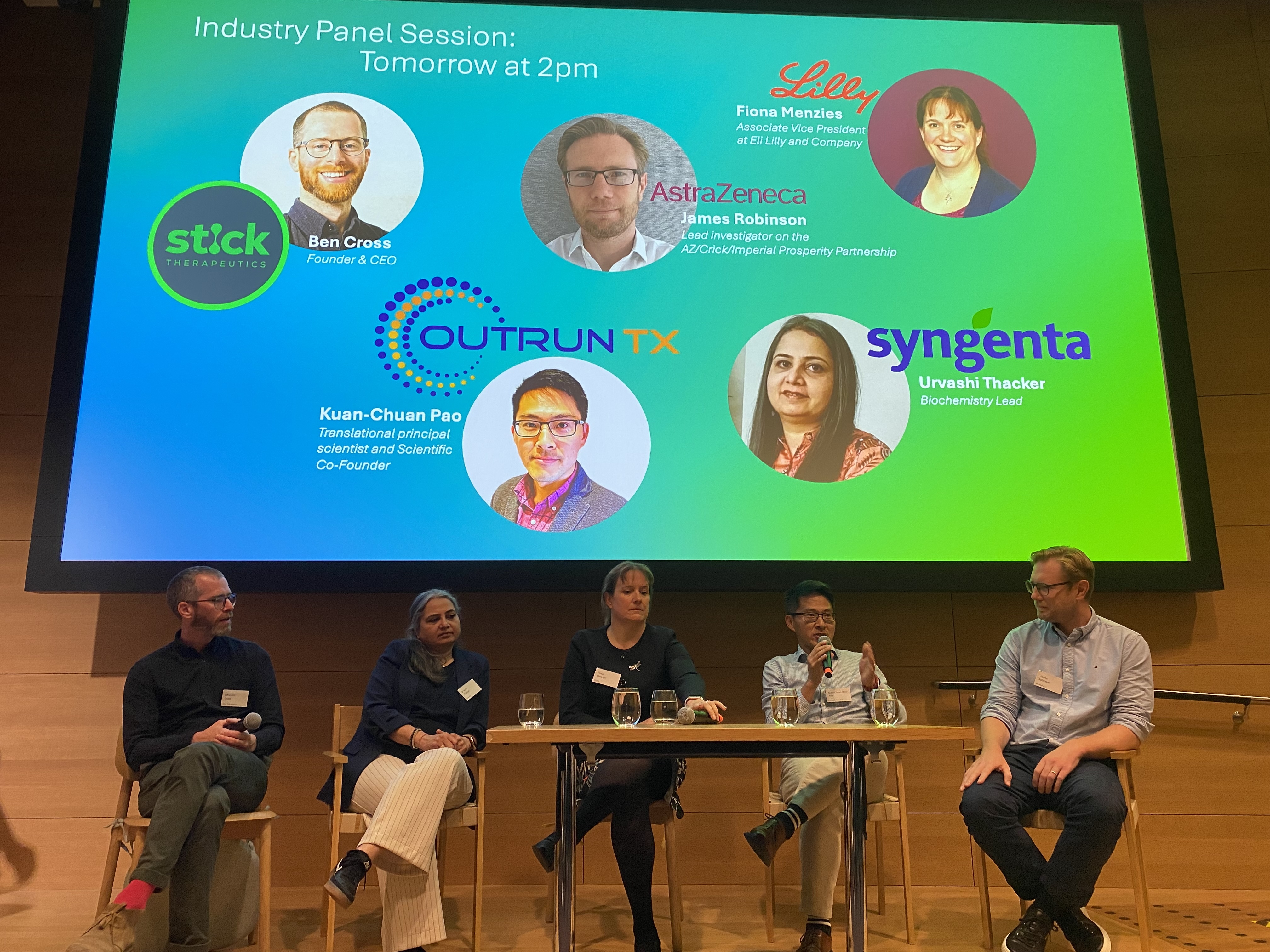
The programme also featured an industry panel session, bringing together representatives from the biotechnology, pharmaceutical, and agri-tech sectors. Discussions highlighted how proteostasis research is driving innovation and therapeutic development, as well as the opportunities and challenges involved in translating fundamental discoveries into real-world applications. Panellists shared insights into how companies engage with academic researchers, approaches to building successful industry-academic partnerships, and career opportunities beyond academia for early career researchers.
We are extremely grateful to the panel speakers for sharing their expertise and perspectives, including Benedict Cross (STICK Therapeutics), James Robinson (AstraZeneca), Fiona Menzies (Eli Lilly and Company), Kuan-Chuan Pao (Outrun Therapeutics), and Urvashi Thacker (Syngenta).
Their contributions sparked lively discussion and underscored the vital role of academia-industry collaboration in advancing proteostasis research and delivering impact across healthcare, biotechnology, and agriculture.
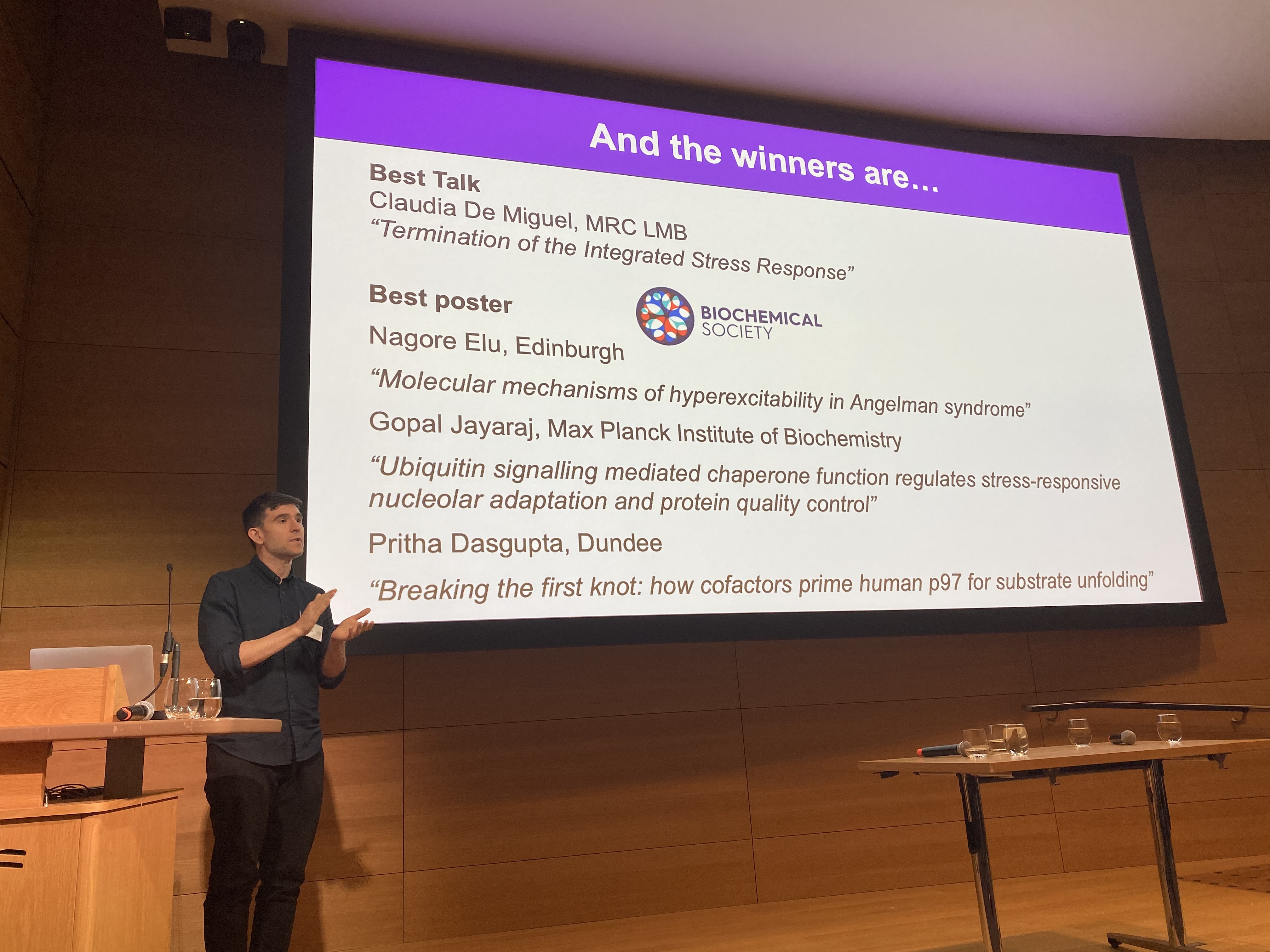
The meeting concluded with closing remarks and prize presentations, recognising exceptional contributions from early career researchers. Congratulations to Claudia De Miguel (MRC Laboratory of Molecular Biology), who received the Best Talk Award for her presentation, "Termination of the Integrated Stress Response". The Best Poster Awards were presented to:
* Nagore Elu Arantzamendi (University of Edinburgh) – "Molecular Mechanisms of Hyperexcitability in Angelman Syndrome"
* Gopal Jayaraj (Max Planck Institute of Biochemistry) – "Ubiquitin Signalling-Mediated Chaperone Function Regulates Stress-Responsive Nucleolar Adaptation and Protein Quality Control"
* Pritha Dasgupta (University of Dundee) – "Breaking the First Knot: How Cofactors Prime Human p97 for Substrate Unfolding"
These awards recognised the exceptional quality and innovation of research being undertaken by the next generation of scientists in the field.
We would like to extend our sincere thanks to the UK Proteostasis Meeting's Organising Committee who delivered such a fantastic event: John Labbadia (UCL), David Balchin (The Francis Crick Institute), Ivana Bjedov (UCL), Maria Jimenez-Sanchez (King's College London), and Maruf Ali (Imperial College London).
With more than 90 posters, numerous scientific presentations, and extensive networking opportunities, the meeting demonstrated the vibrancy, collaborative spirit, and scientific excellence of the proteostasis research community. Thank you to all speakers, poster presenters, panellists, judges, sponsors, and attendees for making the event such a success. It was inspiring to see the breadth of cutting-edge research presented throughout the meeting.